Triple glazed rooflights offer better thermal performance than double glazed. Find out if they’re worth the extra cost for your project. Get a quote today.

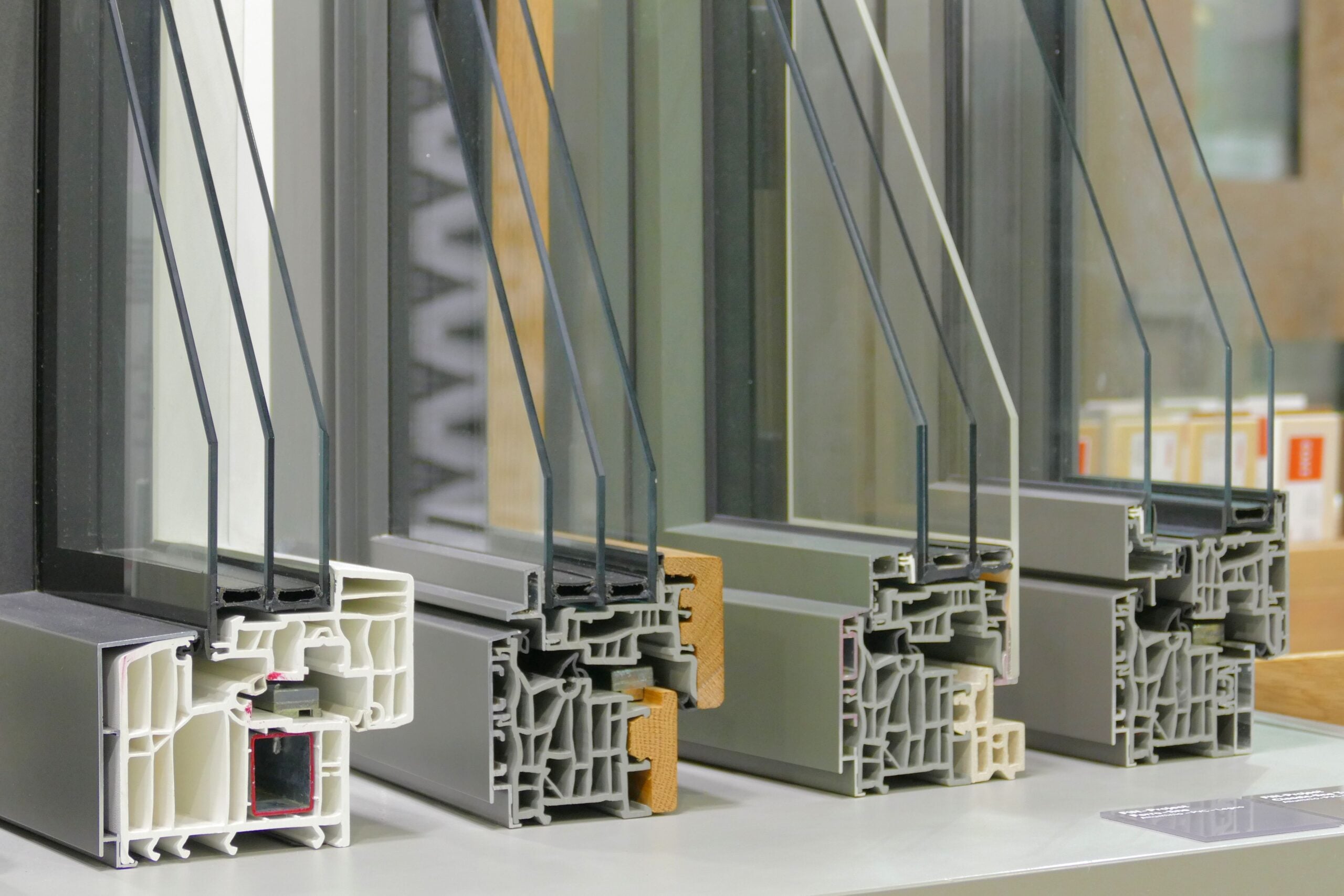
Triple glazed rooflights offer better thermal performance than double glazed alternatives, but whether they are worth the extra cost depends on your project type, budget, and energy performance targets. For most standard UK home extensions, a high-quality double glazed rooflight will comfortably meet Building Regulations requirements. Triple glazing becomes a stronger option when you are working to a high-specification brief, building to Passivhaus standards, or want to minimise long-term heat loss through the roof.
A triple glazed rooflight is a skylight or flat roof window unit made up of three panes of glass separated by two sealed air or gas-filled cavities. The additional layer of glass and the extra cavity work together to reduce the rate at which heat escapes through the glazing, giving the unit a lower U-value than a standard double glazed equivalent.
U-value measures the rate of heat transfer through a material. The lower the U-value, the better the thermal insulation. Triple glazed units typically achieve lower U-values than double glazed units of a comparable specification, though the exact figures vary depending on the glass type, cavity fill, and frame specification used.
The practical differences go beyond the extra pane of glass. Here is a comparison of how the two options typically differ across the key factors buyers care about:
| Double Glazed Rooflight | Triple Glazed Rooflight | |
| Glazing layers | 2 | 3 |
| Typical U-value | Approx. 1.0 W/m2K (varies by spec) | Approx. 0.7 W/m2K (varies by spec) |
| Weight | Lower | Higher |
| Cost | Lower upfront cost | Higher upfront cost |
| Thermal performance | Meets most Building Regs requirements | Enhanced thermal performance |
| Best suited to | Extensions, standard flat roofs | New builds, high-spec projects, Passivhaus |
It is worth noting that U-values vary considerably depending on the full specification of the unit, including the type of glass, the gas used to fill the cavities (argon is common), and the frame design. Always request the confirmed U-value for the specific product you are considering rather than relying on general estimates.
Building Regulations Part L sets out the energy efficiency requirements for new dwellings and work on existing buildings in England. For rooflights in existing dwellings, the current Part L guidance specifies a maximum U-value of 1.8 W/m2K for replacement rooflights, and 1.8 W/m2K for new rooflights in extensions (though area limits apply). For new dwellings, the target U-value is lower and the full dwelling energy calculation applies. You can find the current technical guidance on the GOV.UK Planning and Building Regulations pages.
Both high-quality double glazed and triple glazed rooflights can meet Part L requirements for the majority of residential projects. Triple glazing becomes more relevant when the overall fabric energy efficiency target for a new-build or major renovation pushes the required U-value lower than a standard double glazed unit can achieve.
The honest answer is that it depends on what you are trying to achieve. For a straightforward single-storey extension with a flat roof and one or two rooflights, a good quality double glazed unit will typically deliver compliance with Building Regulations at a lower upfront cost.
Where triple glazing starts to make financial sense is on larger projects where the glazed area is significant, or where long-term running costs and energy performance matter more than minimising the initial spend. A lower U-value reduces heat loss through the glazing, which in a well-insulated building can contribute meaningfully to lower heating costs over time.
The additional weight of a triple glazed unit is also worth factoring in. Triple glazed rooflights are heavier than double glazed equivalents, which means the supporting structure may need to be designed or assessed with the higher load in mind.
Triple glazing is available across a range of rooflight formats, though availability depends on the manufacturer and product range. GLRE offers a Mono-Pitched Triple Glazed Rooflight as an upgraded version of the standard Mono-Pitched unit, giving an improved U-value for projects where enhanced thermal performance is required. This is suitable for flat and low-pitched roof applications.
For pitched roof, ridge, or bespoke rooflight applications where triple glazing is specified, it is worth discussing the requirements with your supplier early in the design process, as triple glazed units may have longer lead times and different structural implications than standard products.
Self-cleaning glass uses a photocatalytic coating on the outer pane that breaks down organic dirt when exposed to UV light, with rainwater then washing the loosened deposits away. This coating can be applied to the outer pane of a triple glazed unit in the same way as a double glazed one.
Self-cleaning glass is a useful option for rooflights that are difficult to access for routine cleaning, particularly on larger flat roofs or higher buildings. It reduces the frequency of manual cleaning required but does not eliminate it entirely, particularly in sheltered areas that receive less rain and UV exposure.
Before specifying a triple glazed rooflight, there are a few practical points worth confirming with your supplier:
GLRE’s rooflights come with a 25-year quality guarantee. If you are weighing up options and want guidance on which specification suits your project, the GLRE bespoke service is available for projects with non-standard requirements or where a tailored specification is needed.
Not sure whether double or triple glazed is right for your rooflight project? Contact the GLRE team today for straightforward advice and a quote tailored to your specification.