These showpiece skylights sit atop pitched roofs, delivering maximum natural light transmission from multiple angles whilst creating striking visual statements.

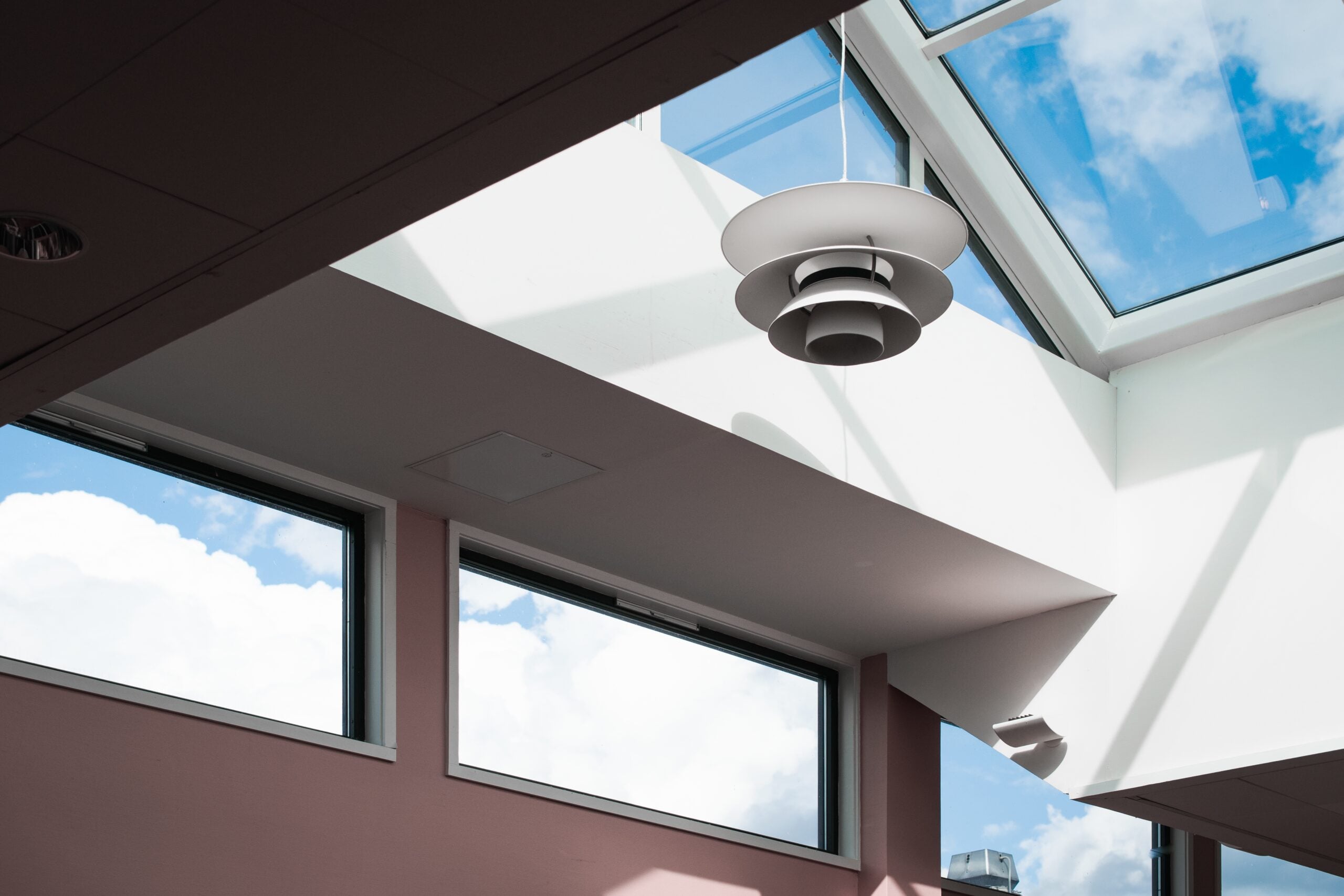
Ridgelight rooflights transform ordinary roof spaces into dramatic light-filled volumes that redefine interior atmospheres. These showpiece skylights sit atop pitched roofs, delivering maximum natural light transmission from multiple angles whilst creating striking visual statements. Planning ridgelight installation requires careful consideration of roof pitch requirements, structural implications and regulatory compliance to ensure successful outcomes that perform reliably for decades.
Understanding the critical relationship between ridgelight design and roof pitch specifications proves essential for architects, contractors and homeowners embarking on major renovation or new-build projects. Unlike flat glass rooflights that accommodate minimal pitch angles, ridgelights demand precise pitch calculations balancing aesthetic impact, structural performance and weatherproofing integrity.
Ridgelight rooflights (also known as ridge skylights or ridge lanterns) consist of two glazed sections meeting at a central ridge apex, forming an inverted V-shape. This distinctive configuration creates dramatic three-dimensional architectural features that add significant height and volume to interior spaces.
GLRE Rooflights manufactures ridgelight systems designed for installation over pitched roofs, delivering maximum light transmission through elevated glazing that captures sunlight from multiple angles. These structures incorporate self-supporting aluminium frameworks with double-glazed toughened safety glass, arriving partially assembled for on-site completion.
The dual-pitched design enables ridgelights to mount directly onto flat roofs or position along the ridge apex of existing pitched structures. This versatility suits various applications from single-storey extensions to commercial installations. The elevated design creates impressive ceiling volumes whilst pitched glazing efficiently sheds water and debris.
Roof pitch, expressed as degrees from horizontal, critically determines which rooflight products suit particular installations. Ridgelights accommodate specific pitch ranges that influence structural performance, drainage efficiency and aesthetic proportions.
Different ridgelight manufacturers specify varying pitch ranges. Most traditional ridgelight systems designed for flat roof installation require pitch angles between 5° and 15° for optimal performance. These shallow pitches provide sufficient drainage whilst maintaining relatively low profile heights. GLRE Rooflights designs its ridgelight products for installation at pitches ranging from 5° to 15°, ensuring effective water runoff without excessive structural height.
For ridgelights installed along existing pitched roof ridges, the pitch must match the underlying roof structure, typically ranging from 15° to 45° depending on regional building traditions and architectural style. Steeper pitches create more dramatic interior volumes but generate greater structural loads requiring robust supporting frameworks.
Building Regulations don’t mandate specific pitch angles for ridgelights, but drainage requirements effectively establish minimum thresholds. BS 6229 standards recommend minimum falls of 1:80 (approximately 0.7° pitch), though manufacturers typically specify higher minimum pitches around 5° to ensure effective drainage and prevent ponding.

Ridgelight installation demands careful structural planning to ensure safe load distribution and long-term performance. These elevated glazing structures generate significant loads from glazing weight, framework mass, wind forces and snow accumulation that must transfer safely to supporting roof structures.
Ridgelights typically require reinforced structural upstands around roof openings providing stable mounting platforms whilst distributing loads to primary structural members. For timber-framed structures, double or triple rafters at 600mm centres commonly provide adequate support for residential-scale ridgelights. Building Industry standard practice specifies C16 or C24 grade timber between 100mm x 50mm and 225mm x 50mm depending on span lengths and calculated loads.
Wind loads prove particularly critical due to elevated positions and full wind exposure. British Standards BS EN 1991-1-4 provides comprehensive guidance for calculating wind actions. Ridgelight manufacturers provide wind load ratings for products based on testing to relevant standards. Specifiers must verify selected products accommodate site-specific wind loads with appropriate safety factors.
Counter-intuitively, suction forces often generate higher stresses than positive pressure, potentially lifting inadequately secured ridgelights or compromising weatherproofing seals. Proper mechanical fixing using appropriate fasteners at specified centres prevents such failures.
Roof pitch significantly influences how ridgelights capture and distribute natural light. Steeper ridgelight pitches capture more overhead sunlight during summer months when the sun tracks high across the sky, increasing total light transmission but potentially introducing excessive heat gain. Shallower pitches reduce peak summer light levels but maintain better winter performance when low-angle sunlight more effectively illuminates spaces.
The dual-pitched ridgelight configuration naturally distributes light in two primary directions aligned with each glazed slope. This directional characteristic suits rectangular spaces where light spreads along primary room dimensions. Britain’s northern latitude (approximately 50° to 58°N) means sun angles vary dramatically between seasons. Summer solstice sees midday sun altitudes reaching 62° in southern England, whilst winter solstice produces maximum altitudes of only 15°.
North-south oriented ridgelights with steeper pitches (20° to 30°) capture more winter low-angle sunlight, partially compensating for shorter daylight hours. Dual-glazed ridgelights can incorporate different glass specifications on each slope—south-facing slopes might specify solar control glass reducing heat gain, whilst north-facing slopes use clear low-emissivity glass maximising light transmission.
Effective drainage represents the most critical functional requirement for ridgelight installations. Water must shed rapidly from glazed surfaces and evacuate completely without ponding or leaking during heavy rainfall.
Minimum pitch requirements primarily serve drainage purposes. The 3° to 5° minimum pitch recommended by manufacturers provides sufficient gravitational force to encourage continuous water flow across glazing. Glass exhibits slight deflection under its own weight when installed at shallow angles. Proper pitch ensures these micro-depressions don’t accumulate significant water volumes.
The ridge joint where two glazed slopes meet represents the most vulnerable weatherproofing location. Contemporary ridgelights typically employ structural silicone bonding creating frameless glass-to-glass appearance whilst providing excellent weather resistance. GLRE Rooflights ridgelight systems utilise structural glazing techniques for streamlined aesthetics combined with excellent weather performance.
Internal drainage channels must accommodate peak flow rates during intense rainfall without overflowing. Adequate gutter sizing and downpipe capacity prevents backflow that could compromise weatherproofing seals.
Ridgelight installation follows carefully sequenced procedures coordinating structural preparation, component assembly, weatherproofing integration and finishing trades.
Before ridgelight delivery, supporting structures must be complete and accurately dimensioned. Structural openings must match specified ridgelight dimensions within tolerances (typically ±5mm). Upstand heights must achieve specified pitch angles whilst providing adequate structural depth for mechanical fixings. Manufacturers supply detailed installation drawings showing required upstand configurations and fixing positions.
Most ridgelight systems arrive as two separate sections for ease of transportation. On-site assembly involves positioning each section on prepared upstands, ensuring proper alignment and pitch angles, then mechanically fixing frameworks using specified fasteners. Structural silicone bonding at ridge junctions typically requires specialist application.
Weather conditions significantly influence installation success. Structural silicone requires dry conditions and temperatures within specified ranges (typically 5°C to 35°C) for proper curing. Planning installations during drier months (April through September in UK) reduces weather-related delays. Installation typically requires one to three days for straightforward residential ridgelights.
Ridgelight installations must comply with UK Building Regulations covering structural safety, thermal performance and drainage. Part A (Structure) requires adequate structural design ensuring ridgelights safely accommodate all anticipated loads. Part L (Conservation of Fuel and Power) establishes minimum thermal performance standards with maximum U-values of 1.6 W/m²K for individual rooflights. Quality ridgelight products with double-glazed low-emissivity glass readily achieve these standards, with typical centre-pane U-values around 1.1 W/m²K.
Most ridgelight installations fall under Permitted Development rights requiring no planning permission, provided installations don’t protrude more than 150mm above existing roof planes. Properties in Conservation Areas, listed buildings, or those with Article 4 Directions require planning permission. GLRE Rooflights provides 25-year guarantees on its ridgelight products, demonstrating confidence in material quality and manufacturing standards.
Glass specification critically impacts ridgelight performance across natural light transmission, thermal efficiency, safety and maintenance requirements.
Building Regulations mandate toughened safety glass for overhead glazing. Toughened glass undergoes controlled thermal treatment increasing impact resistance fivefold compared to standard glass. Upon breakage, it fractures into small granular fragments rather than dangerous shards. Heat-soak testing eliminates defective panels before installation, virtually eliminating spontaneous breakage risks.
Low-emissivity (low-E) coatings significantly improve thermal performance by reflecting thermal radiation whilst maintaining high visible light transmission. Standard double-glazed units with low-E coatings achieve centre-pane U-values around 1.1 W/m²K compared to 2.8 W/m²K for uncoated glazing. Triple-glazed ridgelights offer further enhancements, achieving U-values as low as 0.6 W/m²K. GLRE Rooflights offers triple-glazed ridgelight options for projects requiring maximum thermal efficiency.
Solar control glass reduces unwanted heat gain on south-facing ridgelight slopes where overheating presents concerns. Balancing visible light transmission against solar heat gain rejection requires careful specification to maintain the natural light benefits that motivated ridgelight installation.
Ridgelight product costs vary based on dimensions, glazing specifications and frame finishes. Entry-level ridgelights for residential extensions typically start around £2,000 to £3,000 for basic 2,000mm x 1,000mm units with standard double glazing. Premium specifications with larger dimensions, triple glazing or bespoke finishes commonly reach £5,000 to £8,000 or more.
Professional installation typically adds 30% to 60% of product costs depending on project complexity and site access. Associated costs include structural engineering fees (£500 to £2,000), Building Control approval (£400 to £800), scaffolding hire (£500 to £2,000), and internal finishing works (£500 to £2,000). Comprehensive project budgets should allocate 50% to 75% additional funds beyond ridgelight product costs.
Quality ridgelights from established manufacturers like GLRE Rooflights deliver decades of reliable service with minimal maintenance. Comprehensive warranties (GLRE Rooflights provides 25-year guarantees) protect investments and demonstrate manufacturer confidence in product longevity.
Ridgelights require periodic maintenance preserving performance throughout their service lives. External glass surfaces require cleaning twice annually minimum to maintain optimal light transmission. Professional window cleaning services with appropriate access equipment provide cost-effective maintenance.
Annual inspections identify potential issues before they progress to expensive problems. Inspect weatherproofing seals, framework finishes and glazing retention systems. Drainage channels and weep holes require periodic clearing to maintain free water evacuation.
Ridgelights offer distinct advantages compared to flat glass rooflights, pyramid lanterns and traditional roof windows. Flat glass rooflights provide sleek minimal profiles but cannot match ridgelights’ dramatic volumetric impact or ability to capture light from multiple angles. Pyramid lanterns feature four sloping glazed faces meeting at a central apex, suiting square floor plans where omni-directional light distribution proves beneficial.
Traditional roof windows integrate flush with roof planes, providing natural light without altering roof profiles—essential in Conservation Areas but unable to approach ridgelights’ light transmission levels. Ridgelights excel in applications demanding maximum architectural drama, abundant natural light from multiple directions and impressive internal volumes.
Ridgelight rooflights represent sophisticated glazing solutions requiring careful planning around roof pitch requirements, structural implications and regulatory compliance. Successful installations deliver decades of reliable performance whilst transforming interior spaces through abundant natural light and dramatic architectural features. Proper specification balancing pitch angles, glazing performance, weatherproofing integrity and budget constraints ensures optimal outcomes that enhance properties and enrich daily life.
Working with experienced suppliers like GLRE Rooflights provides access to quality products, technical expertise and comprehensive warranties protecting investments. Their ridgelight systems combine precision-engineered components with proven installation methodologies delivering exceptional performance across residential and commercial applications.
Whether planning ambitious architectural statements or practical solutions for light-starved spaces, ridgelights offer versatile options adaptable to diverse requirements. Thoughtful consideration of pitch relationships, structural demands and performance priorities ensures installations that perform beautifully for decades whilst elevating architectural quality and living experiences.
Ready to explore ridgelight options for your project? GLRE Rooflights offers comprehensive ridgelight solutions manufactured to exacting standards with industry-leading 25-year guarantees. Contact our technical team today to discuss your specific requirements including roof pitch considerations, structural planning and specification optimisation. Visit glrerooflights.co.ukor call 01223 750 227 to begin transforming your space with expertly engineered ridgelight rooflights.