Pyramid rooflights, distinctive four-sided glazed structures, transform ordinary extensions into showstopping spaces.

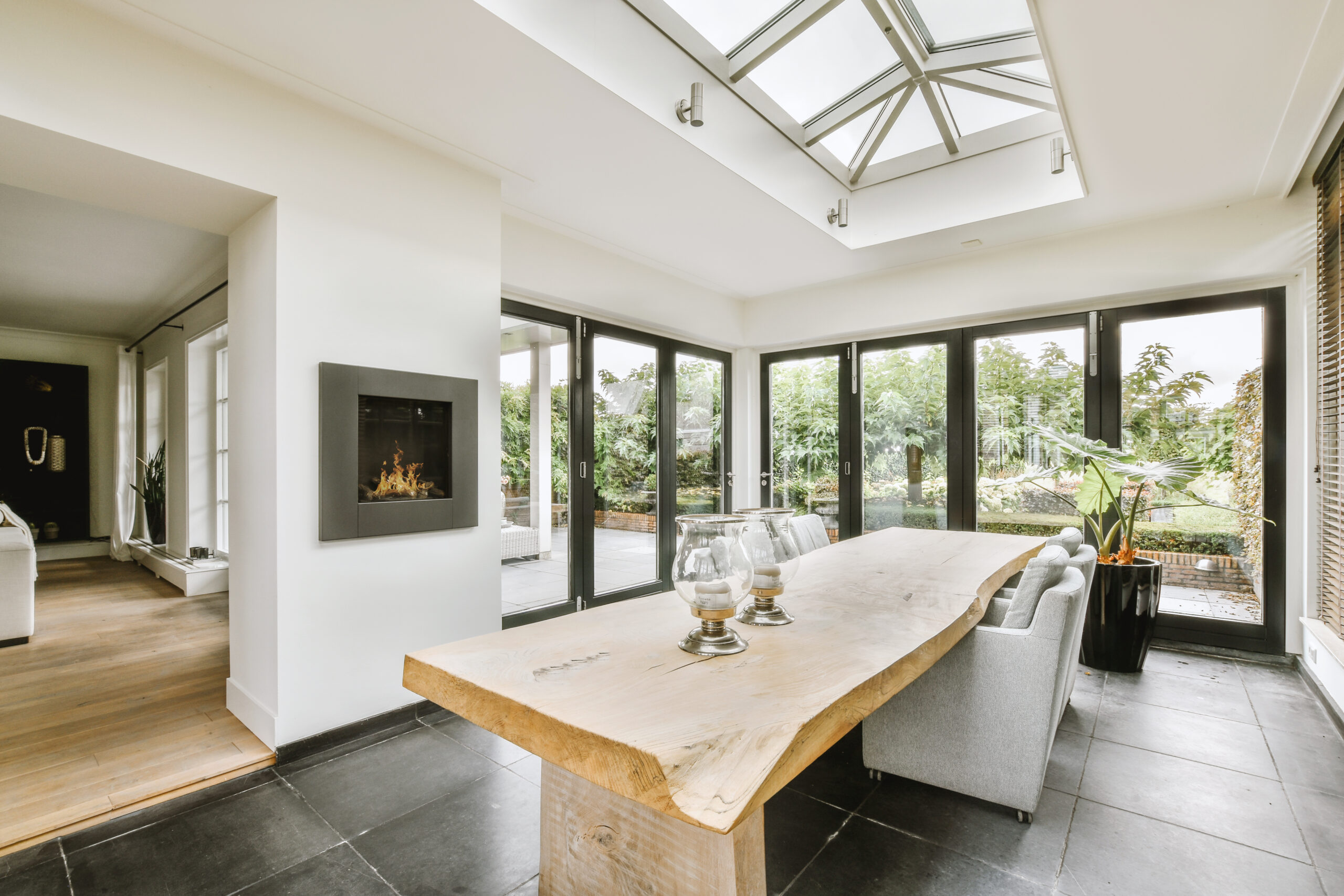
When planning an open-plan extension, one question dominates: how do you create a space that feels genuinely special? Pyramid rooflights have become the answer for homeowners seeking that elusive combination of dramatic architectural impact and practical natural light. These distinctive four-sided glazed structures transform ordinary extensions into showstopping spaces that captivate guests and elevate daily living.
Pyramid rooflights differ fundamentally from flat glass alternatives through their raised, geometric design. Whilst flat rooflights sit flush with the roofline, pyramid rooflights protrude upwards, creating an architectural statement visible both inside and out. This elevation serves a dual purpose: it maximises light capture from multiple angles throughout the day whilst adding vertical volume to the room beneath.
The wow factor stems from this three-dimensional quality. Where flat glass provides clean minimalism, pyramid rooflights introduce drama and presence. Their angled facets catch sunlight from different directions as the day progresses, creating dynamic lighting effects that flat installations simply cannot replicate. For open-plan kitchen extensions, dining areas, or family rooms, this moving interplay of light and shadow adds character that static installations lack.
Open-plan extensions present a particular challenge: creating adequate natural light distribution across expanded floor areas. Traditional windows often leave central zones feeling dim, forcing reliance on artificial lighting even during daylight hours. Pyramid rooflights solve this through their multi-angled glazing, which directs natural light to all corners of conventionally shaped rooms.
The four-sided pyramid structure functions similarly to an unshaded ceiling light, broadcasting illumination outwards rather than downwards in a single column. This makes them particularly effective in larger open-plan spaces where a single flat rooflight might struggle to reach peripheral areas. Kitchen islands, dining tables, and seating zones positioned centrally benefit from overhead natural light that eliminates the cave-like feeling some extensions develop.
Beyond light distribution, pyramid rooflights add architectural rhythm to open-plan layouts. As designers have noted, they can serve as implied divisions between functional zones—a visual anchor that separates cooking areas from dining spaces without resorting to physical partitions. This subtle zoning maintains the open-plan flow whilst providing psychological definition to different activity areas.
Pyramid rooflights suit both contemporary and traditional properties, though their effect varies. Modern extensions with clean lines embrace pyramid rooflights as sculptural focal points that contrast against flat rooflines. The geometric form complements minimalist aesthetics whilst introducing organic light quality that softens hard-edged interiors.
For traditional or period properties, pyramid rooflights offer heritage sympathy that ultra-modern flat glass cannot match. They echo Victorian roof lanterns and orangery glazing traditions, creating visual continuity with historic architectural language. This makes them particularly valuable in conservation areas or listed building contexts where planning authorities scrutinise contemporary additions.
Sizing decisions significantly impact the wow factor achieved. Undersized pyramid rooflights can appear token rather than transformative, failing to deliver either adequate light or architectural presence. GLRE Rooflights’ pyramid models mount directly onto flat roofs with 5-15 degree pitches, accommodating substantial dimensions that properly serve extension proportions. Proper specification ensures the rooflight commands attention as an intentional design feature rather than appearing apologetic or afterthought-like.
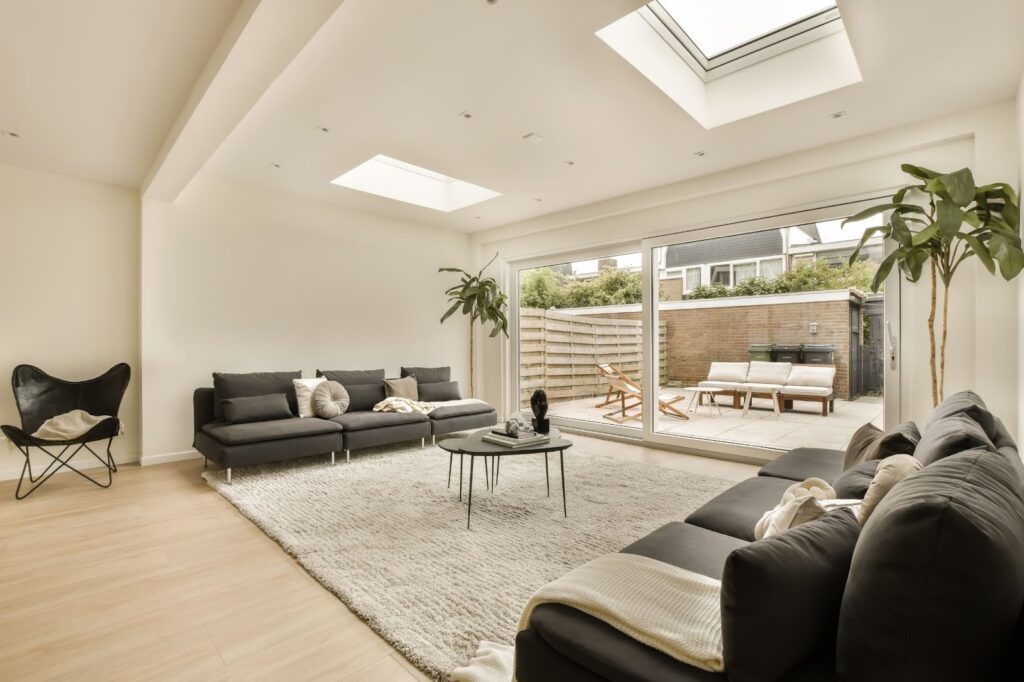
The choice between pyramid and flat rooflights hinges on project priorities. Flat glass rooflights excel in understated elegance—they disappear into the roofline, creating seamless indoor-outdoor visual connections without drawing attention to themselves. This subtlety suits contemporary minimalist aesthetics where every element should feel effortless.
Pyramid rooflights take the opposite approach. They announce their presence boldly, becoming the room’s centrepiece. This visibility creates higher perceived value during property viewings, as the architectural feature registers immediately with potential buyers. Estate agents consistently report that distinctive overhead glazing generates stronger emotional responses than discrete flat alternatives, translating into faster sales and higher offers.
Energy performance between the two types remains comparable, assuming equivalent glazing specifications. Both achieve excellent thermal efficiency through modern double or triple glazing with low-emissivity coatings. The pyramid’s multi-angled glass can capture directional sunlight more efficiently throughout daily sun paths, potentially offering marginal passive solar gains during winter months. However, this advantage requires careful orientation planning to avoid summer overheating.
Pyramid rooflights require raised upstands for mounting—typically built to manufacturer specifications using timber or blockwork. This upstand creation adds installation complexity compared to flat rooflights, potentially extending project timelines. However, GLRE Rooflights supplies pyramid units pre-assembled and pre-glazed, arriving as complete installations that lift into position and secure with fixings. This eliminates on-site glazing risks that could compromise weather-tightness.
The protruding profile of pyramid rooflights affects roof drainage patterns. Extensions must account for water run-off around the upstand perimeter, with proper weatherproofing details preventing moisture ingress. Building Regulations compliance remains straightforward—pyramid rooflights meet thermal performance requirements through appropriately specified glazing, and manufacturers provide documentation supporting compliance submissions.
Maintenance accessibility merits consideration. The angled facets of pyramid rooflights accumulate dirt and debris differently than flat glass, with rainwater run-off patterns influenced by pitch angles. Some homeowners specify self-cleaning glass coatings that use hydrophilic properties to shed water and reduce manual cleaning frequency. Others accept occasional ladder access for cleaning as part of maintaining their showpiece architectural feature.
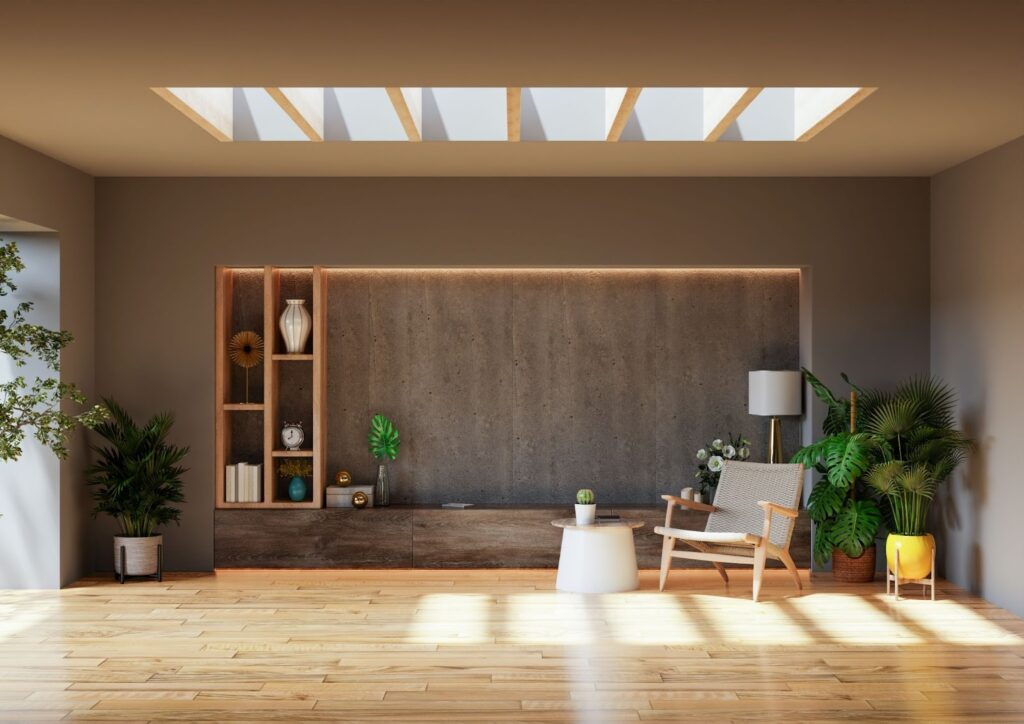
Light quality represents perhaps the most significant functional distinction between pyramid and flat rooflights. Flat installations deliver direct overhead illumination with minimal diffusion—what enters through the aperture reaches the floor relatively unchanged. This creates crisp shadows and high-contrast lighting conditions that suit task-oriented spaces like kitchens.
Pyramid rooflights introduce light from multiple angles simultaneously. The four facets act as individual light sources, their combined effect producing softer shadows and more even illumination gradients. This diffused quality feels gentler and more natural, reducing harsh contrasts that can cause eye strain during extended periods in the space. Living areas and dining zones particularly benefit from this softer lighting character.
The elevated structure also modifies how light interacts with interior surfaces. Angled facets bounce illumination off ceiling planes before it reaches occupant level, introducing another layer of diffusion. This indirect component creates ambient glow that flat rooflights cannot replicate, contributing to the welcoming atmosphere that defines successful open-plan extensions.
Pyramid rooflights command premium pricing compared to flat equivalents of similar aperture size. This cost differential reflects increased material requirements—four angled facets require more glass and framework than a single flat pane—plus the precision engineering needed for weather-tight glass-to-glass joints.
However, return on investment often justifies the premium. Property valuations consistently attribute higher value to distinctive architectural features that differentiate properties from standard offerings. The wow factor that pyramid rooflights create translates directly into perceived quality during viewings, particularly in competitive property markets where buyers seek memorable details.
For homeowners planning long-term occupancy rather than near-term sale, the investment delivers daily quality-of-life improvements. Exceptional natural light reduces electricity consumption whilst supporting circadian rhythm regulation and vitamin D synthesis. The architectural drama of pyramid rooflights transforms routine domestic activities—morning coffee, family dinners, evening relaxation—into experiences enhanced by dynamic natural lighting that flat installations cannot match.
Successful pyramid rooflight specification begins with honest assessment of project priorities. Extensions seeking understated elegance may find flat rooflights more appropriate, whilst those pursuing statement impact naturally gravitate toward pyramid forms. Both approaches deliver excellent natural light—the choice hinges on desired aesthetic effect.
Glazing specification merits careful attention. Standard double glazing provides adequate thermal performance for most UK climates, whilst triple glazing offers enhanced energy efficiency in particularly exposed locations or where heating costs warrant premium investment. Low-emissivity coatings reduce heat loss without compromising light transmission, and self-cleaning treatments minimise maintenance demands on difficult-to-access roof surfaces.
Frame colour selection influences perceived integration. Traditional slate grey or bronze finishes complement period properties, whilst contemporary black or white frameworks suit modern extensions. GLRE Rooflights offers dual-colour options with slate grey exteriors and pure white interiors, providing weather-resistant external finishes whilst maintaining bright ceiling aesthetics inside.
Pyramid rooflights represent architectural investment in quality of life. Their distinctive form announces design ambition, transforming functional extensions into spaces that inspire daily appreciation. The geometric clarity of their structure, combined with superior multi-directional natural light distribution, creates rooms that feel fundamentally different from standard glazed extensions.
For homeowners committed to creating genuinely special spaces rather than merely adequate additions, pyramid rooflights deliver both immediate visual impact and long-term living pleasure. Their wow factor isn’t superficial styling—it’s the tangible result of superior light quality, architectural presence, and thoughtful design integration that elevates ordinary extensions into extraordinary living environments.
Transform your extension with pyramid rooflights from GLRE Rooflights. Our architectural pyramid designs mount directly onto flat roofs, delivering maximum light transmission with contemporary aesthetics backed by a 25-year warranty. Explore our pyramid rooflight range or contact our team to discuss your project requirements.