Discover how thermally efficient rooflights cut heat loss, reduce condensation and manage summer heat. Compare double vs triple glazed options. Get a quote today.


Thermally efficient rooflights reduce heat loss in winter and limit unwanted heat gain in summer by using advanced glazing units, insulated frames, and low-emissivity glass coatings. In the UK climate, where energy bills and building regulations both put pressure on thermal performance, choosing the right glazing specification for your rooflight is one of the most important decisions you can make. At GLRE Rooflights, our range includes double glazed and triple glazed rooflights engineered with thermal efficiency as a core design priority, backed by a 25-year quality guarantee.
Thermal efficiency in a rooflight is determined by several factors working together. The glazing unit itself is the most significant, but the frame material, the quality of the seal, and the installation method all contribute to the overall thermal performance of the finished product.
The U-value of a rooflight measures how quickly heat passes through it. It is expressed in watts per square metre per kelvin (W/m²K). A lower U-value means less heat escapes through the glazing, which means lower heating bills and a more comfortable interior.
UK Building Regulations set minimum thermal performance requirements for rooflights in new builds and extensions. For most applications, the maximum permitted U-value for a rooflight is 1.6 W/m²K under Approved Document L. Genuinely thermally efficient rooflights, including the GLRE triple glazed rooflight range, are designed to perform significantly better than this minimum threshold.
The frame accounts for a meaningful portion of the overall thermal performance of a rooflight. Aluminium rooflights are the industry standard for architectural glazing because aluminium is strong, lightweight, and able to accommodate a thermal break. A thermal break is a layer of non-conductive material inserted into the aluminium frame profile that interrupts the transfer of cold from the outside face of the frame to the interior. Without a thermal break, even high-performance glazing units can be undermined by heat loss through the frame itself.
The choice between double glazed and triple glazed rooflights is one of the most common questions we receive, and the answer depends on the performance requirements of your project and your budget.
| Factor | Double Glazed Rooflight | Triple Glazed Rooflight |
|---|---|---|
| Typical U-value | Approx. 1.1–1.4 W/m²K | Approx. 0.6–0.9 W/m²K |
| Weight | Lighter | Heavier |
| Cost | Lower | Higher |
| Condensation resistance | Good | Excellent |
| Noise reduction | Good | Better |
| Energy bill impact | Noticeable improvement | Maximum improvement |
| Building Regs compliance | Yes (most specs) | Yes (exceeds requirements) |
Double glazed rooflights meet Building Regulations requirements for the majority of domestic and commercial projects and represent a significant upgrade over single glazing in older properties. Triple glazed rooflights are the right choice when maximum thermal performance is the priority, for example in a Passivhaus-standard build, a north-facing extension, or any space where condensation management is particularly important.
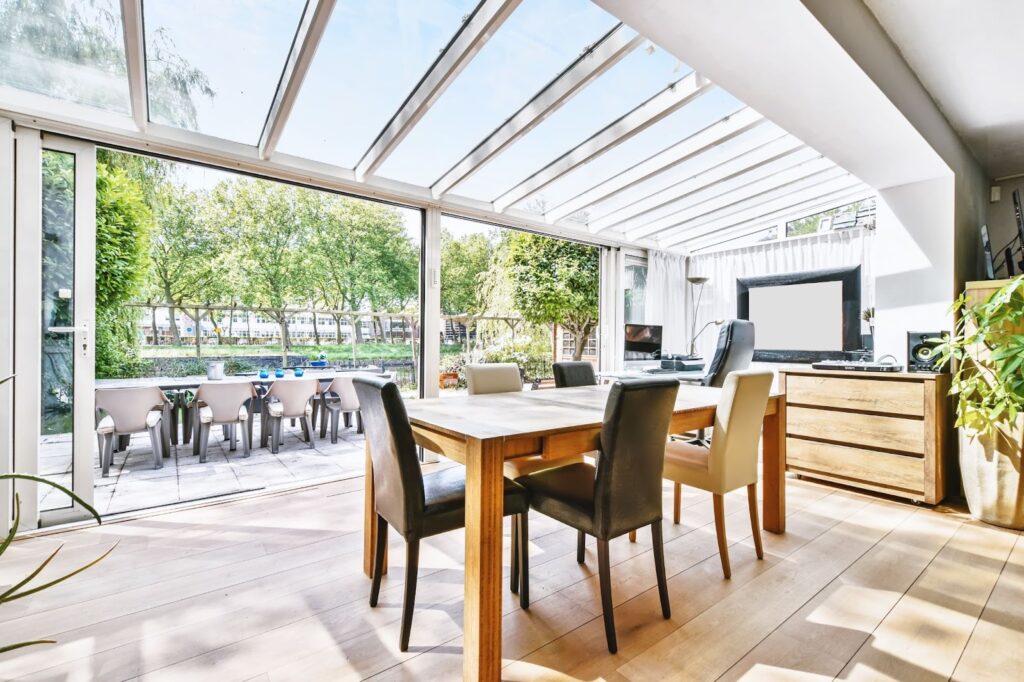
This is an important question that is often overlooked when homeowners focus solely on winter heat retention. In the UK, summer overheating is an increasingly significant issue, particularly in south-facing extensions, top-floor rooms, and open-plan kitchen extensions with large overhead glazing.
A thermally efficient rooflight does not just keep warmth in during winter. The same properties that slow the transfer of heat in cold weather also help to slow the transfer of solar heat into the building on hot days. Low-emissivity (low-e) glass coatings, which are standard in high-performance double and triple glazed units, reflect a portion of solar infrared radiation rather than allowing it to pass directly through the glass as heat.
The solar factor (also known as g-value) of the glazing unit determines how much solar energy passes through the glass. A lower g-value means less solar heat gain, which is desirable in summer. When specifying a thermally efficient rooflight for a south or west-facing roof, it is worth discussing the g-value alongside the U-value to ensure the glazing performs well across both seasons.
Glazing specification alone will reduce heat gain, but there are additional features that make a significant practical difference in hot weather.
For any extension or room where summer overheating is a known risk, we recommend discussing ventilation options alongside glazing specification at the planning stage. The combination of low-g glazing and an opening mechanism is more effective than either feature alone.
Condensation on the interior surface of a rooflight occurs when the glass surface temperature drops below the dew point of the room air. This is most common in kitchens, bathrooms, and other humid spaces. Thermally efficient glazing, particularly triple glazed units, keeps the interior glass surface at a higher temperature because less heat is lost through it, which means condensation is far less likely to form. This is explored in detail in our guide on triple glazing rooflights for condensation prevention.
For rooflights in rooms with consistently high humidity, triple glazing is the most reliable way to prevent condensation without relying on additional ventilation or heating alone.
Thermal glazing options are not limited to a single rooflight type. The majority of the GLRE product range can be specified with double or triple glazed units, including:
For large or unusual openings where a standard product will not work, our bespoke rooflight service allows you to specify the exact glazing performance you need.
Yes. For new builds and extensions in England and Wales, Approved Document L of the Building Regulations sets out the thermal performance requirements for rooflights and skylights. The current maximum U-value permitted for a rooflight in a new or replacement installation is 1.6 W/m²K, though your building control officer may require additional evidence depending on the overall energy calculation for the building.
All GLRE double and triple glazed rooflights are manufactured to comply with and exceed standard Building Regulations requirements. If you are working with an architect or building control officer and need specific performance data for your application, please contact the GLRE team and we can provide the technical specification for the relevant product.
The upfront cost of a triple glazed rooflight is higher than an equivalent double glazed unit. Whether this difference is worthwhile depends on the specific circumstances of your project. In a well-insulated extension or new build where the rooflight is one of a small number of thermal weak points, upgrading to triple glazing will have a meaningful impact on overall heat retention and energy bills over time.
For projects in exposed locations, north-facing rooms, or any space where the rooflight represents a significant proportion of the overall roof area, the thermal upgrade is particularly valuable. In a small bathroom or utility room rooflight, the difference in running cost may be more modest, though the reduction in condensation risk is still worth considering.
GLRE offers a price match guarantee on all standard products, ensuring you receive quality glazing at a competitive price regardless of which specification you choose.
Not sure whether double or triple glazing is right for your project? Get in touch with the GLRE Rooflights team today and we will help you choose the right glazing specification for your budget, building, and climate.