A glass floor rooflight is a flush-fitting, walk-on glazed panel set into a floor surface to transfer natural light from one level of a building down to the room below.

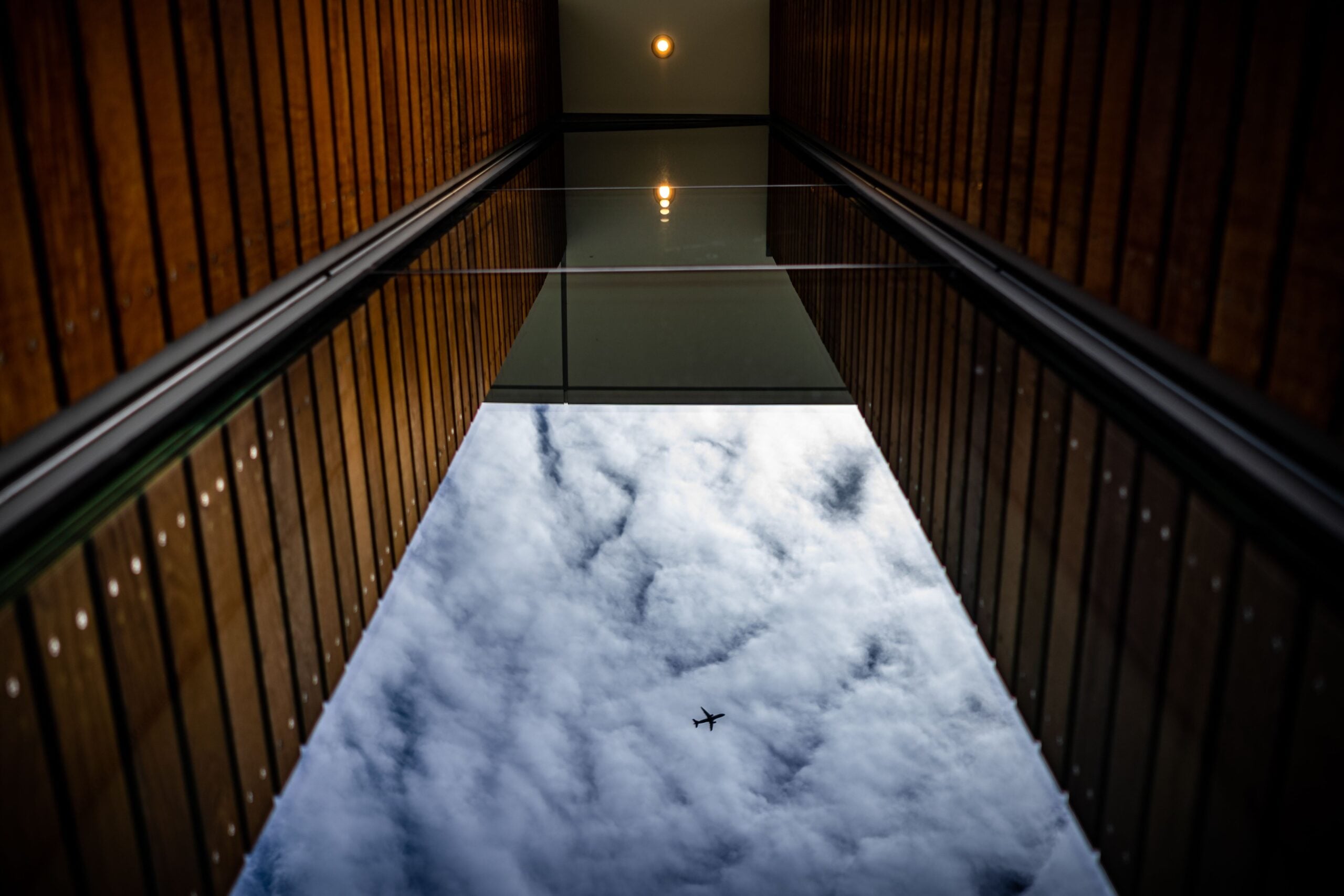
A glass floor rooflight is a flush-fitting, walk-on glazed panel set into a floor surface to transfer natural light from one level of a building down to the room below. Unlike a traditional rooflight, which sits in an external roof, a glass floor rooflight is installed internally, allowing daylight to travel through the structure of the building rather than through the roof directly. The result is a flood of natural light reaching spaces that would otherwise have no access to it.
GLRE Rooflights manufactures glass floor rooflights from its Suffolk facility, with units starting from £1,896.00 incl. VAT. Every product is backed by a 25-year guarantee and is tested to meet the latest UK slip resistance guidelines, making it a practical as well as architectural solution for homes and commercial buildings across the UK.
A glass floor rooflight (also known as a light-transfer floor panel, internal glass floor, or structural glass floor) is a multi-layer glazed unit engineered to bear the weight of foot traffic while remaining optically clear enough to allow daylight to pass through. Installed flush with the surrounding floor surface, the panel creates a seamless visual connection between levels and channels natural light from an upper floor, a glazed roof above, or an outdoor space down into the area beneath.
The principle is straightforward: natural light enters the building through a rooflight, window, or glass door at the upper level. Directly below, the glass floor panel acts as a transparent ceiling for the room or space underneath, allowing that light to continue its journey downwards rather than being blocked by an opaque floor surface. The effect is particularly striking when the glass floor panel is positioned beneath a flat roof rooflight above, creating a continuous column of daylight from the sky all the way through to a lower ground floor or basement.
Glass floor rooflights are well suited to any building where natural light does not naturally reach all occupied levels. The most common applications in UK homes include:
This is a common source of confusion because the two products share similar engineering principles. Both involve glazed panels designed to bear foot traffic, but they serve different functions and are installed in different positions.
| Glass Floor Rooflight | Walk-On Rooflight |
|---|---|
| Installed in the floor internally | Installed externally in a flat roof or terrace |
| Transfers light between interior floors | Brings light in from outside the building |
| Flush with internal floor surface | Flush with external roof or deck surface |
| Primarily a light-transfer device | Dual function: external floor and skylight |
| Used over basements, voids, and lower floors | Used on terraces, balconies, and garden decking |
| GLRE Glass Floor Rooflight from £1,896.00 | GLRE Walk-On Rooflight from £1,489.20 |
For more on how walk-on rooflights work at the external level, see the GLRE guide to walk-on rooflights for side return extensions. For projects where both products work together, a walk-on rooflight at roof level combined with a glass floor panel directly below creates a continuous light well from the sky down through multiple floors.
The most significant benefit of a glass floor rooflight is its ability to deliver natural light to spaces where a conventional window is not feasible. Ground floor rooms in terrace extensions, internal hallways, lower-ground-floor reception rooms, and basement leisure spaces are all candidates. Natural daylight has a demonstrably positive effect on occupant wellbeing, mood, and productivity, making this a functional improvement as well as an aesthetic one.
A glass floor panel does not simply perform a functional role; it becomes a visual centrepiece. The transparency creates a sense of depth and vertical space, making rooms feel larger and more connected. In hallways, it draws the eye downward and introduces a dramatic design element. In open-plan living spaces, it blurs the distinction between floors, contributing to a flowing, contemporary interior. For design inspiration beyond floor panels, the GLRE guide to choosing the perfect rooflights for your UK home explores how different rooflight types can work together within a wider daylighting strategy.
A well-positioned glass floor rooflight can reduce the need for artificial lighting in below-grade spaces throughout the day. This has a direct impact on energy consumption and running costs, particularly in commercial buildings where lighting loads are a significant operational expense. The UK Planning Portal notes that natural daylighting is increasingly considered a sustainability measure within new build and renovation schemes.
Dark lower ground floors and uninhabitable basements are often cited as barriers to a property’s full value potential. A glass floor rooflight that successfully brings natural light into these spaces converts them from storage areas into genuinely usable living areas, which can positively affect both the practical floor plan and the property’s appeal to buyers.
Safety is the most common concern raised by homeowners and architects when specifying glass floor panels. GLRE’s glass floor rooflights are engineered with safety at their core. Each unit is flush-fitting and built to withstand significant weight and pressure, with the glazing specification tailored to the specific size and loading requirements of the individual project.
Key safety features across the GLRE glass floor range include:
Building Regulations Approved Document K (Protection from Falling, Collision and Impact) is the primary reference standard for glass floors in UK residential and commercial buildings. Any glass floor installation should be verified by a structural engineer and confirmed with local building control as part of the project’s building regulations application.
A glass floor rooflight installed internally within an existing building does not typically require planning permission in England, as it does not alter the external appearance of the property. However, Building Regulations approval is required, particularly under Approved Document K (structural safety), Approved Document L (thermal performance, applicable where the panel forms part of the building envelope), and Approved Document B (fire safety) where relevant to the floor’s position within a protected circulation route.
Where the glass floor panel works in conjunction with an external walk-on rooflight above it, that external element will be subject to the usual rooflight permitted development rules. These state that a rooflight must not project more than 150mm above the existing roof plane and must not alter the building beyond the highest part of the existing roof. Always verify requirements with your local authority or consult the UK Planning Portal guidance on rooflights before commencing work.
GLRE’s glass floor rooflights are supplied as pre-glazed, pre-sealed single units, designed for direct installation into a prepared structural opening. The key installation considerations are:
GLRE does not construct the structural openings, but can connect customers with recommended contractors. For larger orders or bespoke specifications, a professional installation service is available at additional cost. For projects outside standard sizing, GLRE’s bespoke rooflight service can manufacture glass floor panels to any required dimension.
GLRE’s standard glass floor rooflight range is available in three sizes:
| Size (mm) | Incl. VAT from | Application |
|---|---|---|
| 1000 x 1000 | £1,896.00 | Hallways, stairwell landings, small voids |
| 1500 x 1000 | Enquire | Side return voids, larger hallways |
| 2000 x 1000 | Enquire | Open-plan floor connections, basement light wells |
Bespoke dimensions are available for projects requiring dimensions outside this range. Glass specifications, including anti-slip coatings and opaque finishes, can be customised at the point of order. Each unit is manufactured to the specific size and loading requirements of the individual project, ensuring structural compliance and a clean fit.
Glass floor rooflights require straightforward maintenance to keep them performing well and looking clear. Because they sit at floor level and are walked on daily, they attract more surface marks than an overhead rooflight, but the maintenance routine is simple:
Painted surfaces on GLRE glass floor rooflights carry a 10-year warranty. The glass itself is warranted for 10 years as standard, with the overall product covered by a 25-year guarantee.
Yes, and this combination is one of the most effective ways to maximise natural light across an entire building. Positioning a flat roof rooflight directly above a glass floor panel creates a continuous vertical light well from the exterior down through the full depth of the building. On a three-storey property, for example, this could mean a single-panel rooflight at roof level bringing light through two glass floor panels to reach a basement kitchen or lower-ground-floor sitting room.
For flat roof extensions, this approach works particularly well when combined with a mono-pitched or flat glass rooflight at the extension roof level and a glass floor panel in the floor above any habitable void below. For architectural statement features, a pyramid rooflight at the apex of a double-height space positioned above a glass floor panel can create a dramatic interior that channels light deep into the building.
For those assessing the full range of natural light solutions for a renovation or new build, the GLRE guide to choosing the perfect rooflights for your UK home provides a comprehensive overview of how different rooflight types complement one another.
Ready to bring natural light to every floor of your home? View GLRE Rooflights’ glass floor rooflight range at glrerooflights.co.uk, or call the team on 01223 750 227 to discuss your project requirements.