Triple glazing rooflights address this issue and can help property owners make informed decisions about their skylight installations.

Condensation on rooflights remains one of the most persistent challenges facing UK homeowners, particularly during the colder months when temperature differentials between indoor and outdoor environments reach their peak. Understanding how triple glazing technology addresses this issue can help property owners make informed decisions about their skylight installations whilst protecting their homes from moisture-related damage.
Condensation occurs when warm, moisture-laden air contacts a cold surface, causing water vapour to transform into liquid droplets. In homes with roof lights, this phenomenon typically manifests on the internal glass surface during winter months when external temperatures plummet. The issue becomes particularly problematic in rooms with high humidity levels, such as kitchens and bathrooms, where steam from cooking and bathing activities increases the moisture content of indoor air.
Traditional double glazed rooflights create what building professionals term ‘cold spots’ around the glass edges and frame junctions. These areas become condensation magnets because the thermal bridge effect allows cold external temperatures to penetrate through to the internal surface. The resulting water droplets can drip onto furnishings below, stain plasterwork, and in severe cases, create conditions conducive to mould growth and timber rot.
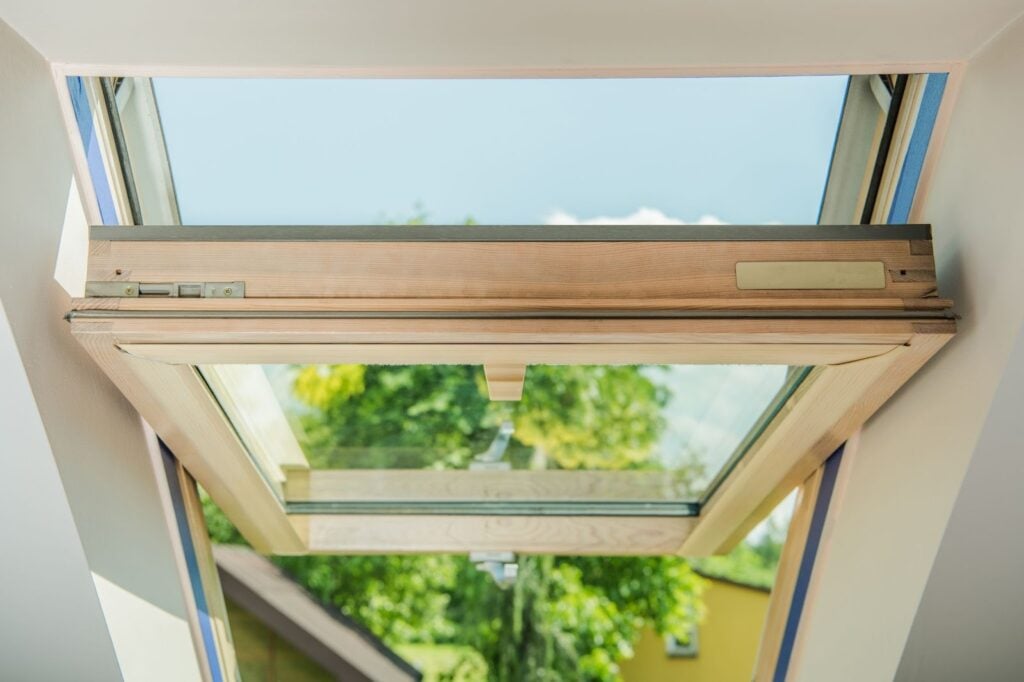
Triple glazing rooflights incorporate three panes of glass separated by two insulating cavities, typically filled with argon or krypton gas. This configuration creates multiple barriers against heat transfer, dramatically reducing the temperature differential between the external environment and internal glass surface. The result is a warmer internal pane that remains above the dew point temperature even during harsh winter conditions.
The thermal performance improvement proves substantial:
This enhanced insulation keeps the internal glass surface above the dew point temperature, effectively eliminating the conditions that cause moisture accumulation.
Modern triple glazing rooflights also incorporate warm edge spacer technology around glass perimeters. These advanced spacers use materials with lower thermal conductivity than traditional aluminium alternatives, further reducing cold bridging at glass edges where condensation commonly initiates. Combined with low-emissivity coatings that reflect heat back into rooms, these features create a comprehensive defence against moisture accumulation.
Kitchen installations particularly benefit from triple glazing technology due to elevated moisture levels from cooking activities. Pitched rooflights positioned above cooking areas encounter substantial steam and temperature fluctuations throughout the day. Triple glazing maintains surface temperatures well above condensation thresholds even when extractor fans struggle to remove all moisture-laden air promptly.
Bathroom environments present similar challenges, with shower steam creating humid conditions that persist long after use. Flat rooflights in bathroom ceilings experience direct exposure to rising steam, making them especially vulnerable to condensation issues with inadequate glazing specifications. Triple glazed units maintain their integrity in these demanding conditions, ensuring clear glass surfaces and dry surroundings.
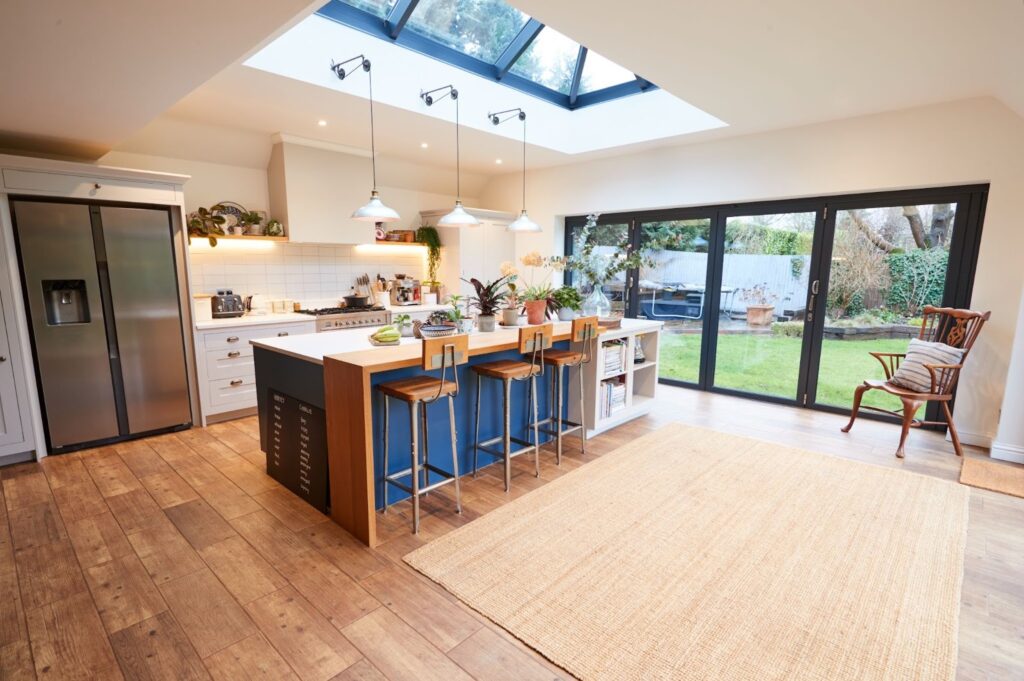
Extension spaces often incorporate substantial glazed areas to maximise natural light penetration. When combining large flat rooflights with floor-to-ceiling windows, the thermal performance of each element becomes critical. Specifying triple glazing for roof lights ensures consistent performance across the entire glazed envelope, preventing localised condensation problems that undermine the extension’s comfort and functionality.
Bespoke rooflights allow architects and homeowners to specify triple glazing for unique architectural features where standard sizes prove inadequate. Custom configurations can incorporate additional performance enhancements such as heated glass elements around perimeters, providing active condensation prevention in particularly challenging installations. These solutions suit heritage properties requiring specific dimensions or contemporary designs demanding unusual geometries.
The gas fill selection between glass panes influences condensation resistance. Argon-filled units deliver excellent performance for most applications, whilst krypton gas provides superior insulation in slim-profile designs where cavity spacing limitations might otherwise compromise thermal efficiency. Understanding these options helps specifiers optimise condensation prevention whilst meeting aesthetic requirements.
Proper installation proves equally important as glazing specification. Inadequate sealing around frame perimeters creates air leakage pathways that introduce moisture into the rooflight construction itself, potentially causing internal condensation between glass panes. Professional installation ensures comprehensive weatherproofing that protects both the rooflight unit and surrounding structure.
Ventilation strategies complement triple glazing technology by managing indoor humidity levels. Opening rooflights with manual or electric operation allow strategic moisture removal during high-humidity activities. This combination of passive thermal performance and active ventilation provides comprehensive condensation management that passive solutions alone cannot achieve.
Adequate structural support becomes more critical with triple glazing due to increased weight. Key considerations include:
These structural requirements should inform planning from the outset to ensure seamless integration with existing or new-build structures.
Triple glazing rooflights represent a premium specification that delivers tangible benefits beyond condensation prevention:
Property value considerations support the investment case. Modern buyers increasingly prioritise energy efficiency and low-maintenance features. Triple glazed roof lights demonstrate forward-thinking specification that aligns with contemporary sustainability expectations whilst reducing ongoing maintenance requirements associated with condensation damage.
Contact our specialist team today to discuss triple glazing options for your project and receive a detailed, personalised quotation. Our experts will assess your requirements and recommend the perfect solution to keep your rooflights clear and your home dry year-round.